
"High Acid"
10000 article(s) found

Hartman Manor in Panama single bean processing method Flavor description planting information
Exchange of professional baristas follow the Coffee Workshop (Wechat official account cafe_style) red wine treatment, also known as controlled fermentation, or lactic acid / acetic acid fermentation experimental team led by American Felipe Sardi, made up of biological scientists and ecologists who apply technologies such as solar energy to the cultivation and processing of raw beans. A special manual picking team has been trained

About sour Coffee in Coffee
Some friends call the acid in coffee ascorbic acid. So the first question is whether there should be acid in coffee and what is the charming acid in coffee. When we talk about this problem, we have to compare the difference between Arabica coffee and Robusta coffee. Arabica coffee is superior to Robusta coffee in that the former has the complexity of taste. There are.

The best coffee beans in the world are in Africa! Introduction to the variety characteristics and producing areas of African coffee beans
For more information on coffee beans, please follow the coffee workshop (Wechat official account cafe_style) Coffee beans originated in Ethiopia in Africa, but Brazil, Colombia, Guatemala and other countries are also important coffee producing areas today. up to now, there are thousands of kinds of coffee beans in the world, many of which are marked by origin with unique flavor, such as acidity, aroma, strong.
Coffee training knowledge, your coffee acid is not sour.
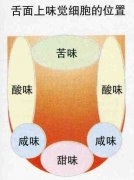
Acidity is often used in our coffee tasting or coffee training terms, which is translated as acidity in Chinese, which is often misunderstood as the acidity in acid value or the sour taste of lemon or vinegar, but it is not a concept. Usually coffee people describe coffee flavor refers to Acidity (acidity), is to describe a lively, bright, fresh, refreshing feeling. Usually when the taste of coffee is identified

The basic chemical reaction of coffee roasting process
Many thermal and chemical reactions take place during baking: decarbonation, dehydration of quinic acid, subdivision, isomerization, polymerization, and complex sugar reactions (caramelization). The main components of the thermal reaction are monosaccharides and sucrose, chlorogenic acid, free amino acids, and fenugreek amide. Both aravinose and calactose in the polysaccharides are transferred, and the basic vulcanization contains hydroxylated amino acid.

Why is hand-brewed coffee astringent? The roasting degree of coffee beans causes the sour and astringent taste of coffee.
Professional coffee knowledge exchange more coffee bean information please follow the coffee workshop (Wechat official account cafe_style) introduction Han Huaizong teacher once said: "Coffee oil and colloid in the mouth to create a smooth taste, and coffee polyphenol compounds will produce a rough astringency, like a long devil's tail, wild in the mouth, making unpleasant." "if it's in wine,

What is the processing method of Hartman Coffee and Bean Wine? description of Information Manor Flavor
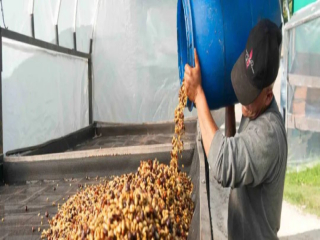
Exchange of professional baristas follow the Coffee Workshop (Wechat official account cafe_style) red wine treatment, also known as controlled fermentation, or lactic acid / acetic acid fermentation experimental team led by American Felipe Sardi, made up of biological scientists and ecologists who apply technologies such as solar energy to the cultivation and processing of raw beans. A special manual picking team has been trained
What is the meaning of lactic acid fermentation with coffee bean treatment?
In daily life, many delicious foods are produced by lactic acid fermentation, such as pickled pickles, yogurt, cheese and so on. In the process of raw bean processing of coffee, the required lactic acid bacteria will also be introduced in the fermentation process.

What is the nutritional value of shallow roasted coffee? Is it healthier to roast coffee beans lightly?
Professional coffee knowledge exchange more coffee bean information please follow the coffee workshop (Wechat official account cafe_style) you should know the food in the explosion period of light-roasted coffee beans, chlorogenic acid content has been reduced by half, and to the deep-roasted coffee beans, chlorogenic acid content is only 5% of the original content, indicating that deep-roasted coffee beans have lost a lot of chlorogenic acid nutrition. By
Basic chemical reactions that occur during coffee roasting
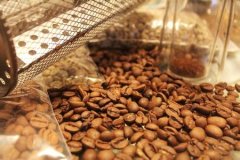
Many thermal and chemical reactions take place during baking: decarbonation, dehydration of quinic acid, fragmentation, isomerization, polymerization, and complex sugar reactions (caramelization). The main thermally reactive components are monosaccharides and sucrose, chlorogenic acid, displaced amino acids, and trigonelline amide. Both aravinone and calactose in polysaccharides are transferred, and basic sulfurization contains hydroxyamino acids.
The basic chemical reaction that takes place during coffee roasting.
Basic chemical reactions that occur during coffee roasting author: Carl Staub originates from the SCAA baking color classification system, developed by Agtron SCAA 1995 original text from: http://www.sweetmarias.com/roast.carlstaub.html translation: Grant, http://www.baristacn.com/forum/thread-1583-1-1.html in the roasting process

Where does the sour, bitter, sweet and sweet in coffee come from? Why is coffee sour and bitter?
Professional coffee knowledge exchange more coffee bean information Please follow the coffee workshop (Wechat official account cafe_style) Coffee sour source the difference between pleasant sour and unpleasant sour why do some coffees have plum sour taste? Some even smell like fruit vinegar. Why do some beans look so shiny? Is it because it has been kept for a long time? Why are there some

Talk about sour coffee. Sour coffee tastes sour.
I made an appointment with my friends last week to talk about the acid in my coffee. I'll probably finish this with six Weibo posts. Some friends call the acid in coffee ascorbic acid. So the first question is whether there should be acid in coffee and what is the charming acid in coffee. When we talk about this problem, we have to compare the difference between Arabica coffee and Robusta coffee. Ah

The relationship between coffee taste and extraction conditions
Coffee is the art of pursuing balance, the extraction law of coffee taste from sour to bitter: 1, shallow roasting (acid) to deep roasting (bitter) 2, rough grinding (sour) to fine grinding (bitter) 3, coffee powder less (acid) to more (bitter) 4, water temperature low (acid) to high water temperature (bitter) 5, extraction speed fast (acid) to slow (bitter) 6, more extraction (acid) to less extraction (bitter).

Relationship between Coffee Taste and extraction conditions in Coffee Encyclopedia
Coffee is the art of pursuing balance, the extraction law of coffee taste from sour to bitter: 1, shallow roasting (acid) to deep roasting (bitter) 2, rough grinding (sour) to fine grinding (bitter) 3, coffee powder less (acid) to more (bitter) 4, water temperature low (acid) to high water temperature (bitter) 5, extraction speed fast (acid) to slow (bitter) 6, more extraction (acid) to less extraction (bitter).

The basic Chemical reaction of Coffee Baking process
Original: Basic Chemical Reactions Occurring in the Roasting Process by Carl Staub sourced from the SCAA Roast Color Classification System developed by Agtron-SCAA in 1995 Many thermal and chemical reactions occur during the roasting proces

Tasting Coffee, reflecting the perfect and charming acidity of Coffee-- how to appreciate the Red Standard Rose Summer
Professional barista communication Please follow the coffee workshop (Wechat official account cafe_style) sometimes when you see guests' choice of coffee, they will ask if you like caffeic acid? Or do you prefer sour products or balanced ones, etc.? Acidity Acidity (acidity) is one of the most important items in coffee tasting. Without acidity, coffee beans seem to have no vitality and taste empty.
The basic chemical reaction that takes place during coffee roasting.
Many thermal and chemical reactions take place during baking: decarbonation, dehydration of quinic acid, subdivision, isomerization, polymerization, and complex sugar reactions (caramelization). The main components of the thermal reaction are monosaccharides and sucrose, chlorogenic acid, free amino acids, and fenugreek amide. Both aravinose and calactose in the polysaccharides are transferred, and the basic vulcanization process includes hydroxylamine.

The basic chemical reactions that take place during coffee roasting
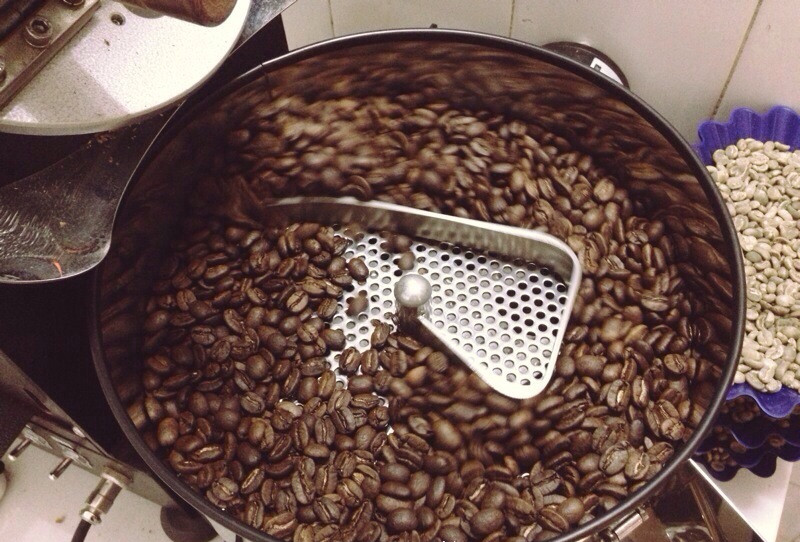
Many thermal and chemical reactions take place during baking: decarbonation, dehydration of quinic acid, subdivision, isomerization, polymerization, and complex sugar reactions (caramelization). The main components of the thermal reaction are monosaccharides and sucrose, chlorogenic acid, free amino acids, and fenugreek amide. Both aravinose and calactose in the polysaccharides are transferred, and the basic vulcanization process includes hydroxylamine.
Basic chemical reactions of coffee beans during coffee roasting
Many thermal and chemical reactions take place during baking: decarbonation, dehydration of quinic acid, subdivision, isomerization, polymerization, and complex sugar reactions (caramelization). The main components of the thermal reaction are monosaccharides and sucrose, chlorogenic acid, free amino acids, and fenugreek amide. Both aravinose and calactose in the polysaccharides are transferred, and the basic vulcanization process includes hydroxylamine.